What Is a Mortise Lock and Why Dover Properties Rely on Them
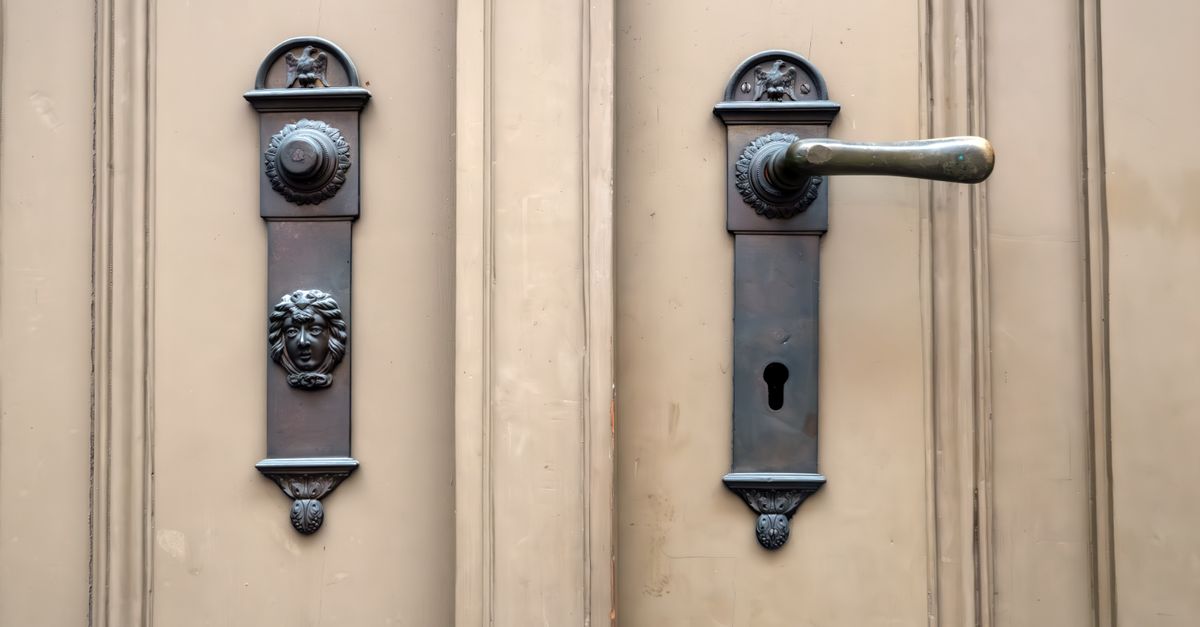
A mortise lock differs fundamentally from the spring-latch or cylindrical deadbolt sets most people recognize on interior doors. The lock body is recessed entirely into the door stave, which distributes force across a much larger area and makes the door assembly significantly harder to compromise. The mortise lock cylinder — the keyed plug that protrudes from the face of the door — can often be replaced independently without touching the lock body itself, which is one reason skilled locksmiths favor this hardware for high-traffic or high-security applications. Brands like Corbin Russwin, Baldwin, and Schlage all produce commercial and residential mortise lock sets built to last decades under daily use.
Dover's older building stock is a big reason this hardware is so common here. The historic district around State Street, the converted Victorian doubles near Legislative Avenue, and the institutional buildings tied to Delaware State University all feature doors thick enough to accommodate mortise pocket depths that standard knob locks simply cannot match. Beyond traditional keyed versions, the category now includes the smart mortise lock — units that integrate Bluetooth, Z-Wave, or Wi-Fi credentials into the same recessed body — and the electric mortise lock used in access-controlled commercial entries where a signal from a card reader or intercom releases the bolt. Sliding door mortise lock hardware adds yet another variant, appearing on patio and storefront glass doors where the lock body must operate on a different axis than a standard swinging door.