Why Door Knob Lock Replacement Is More Than a Simple Swap
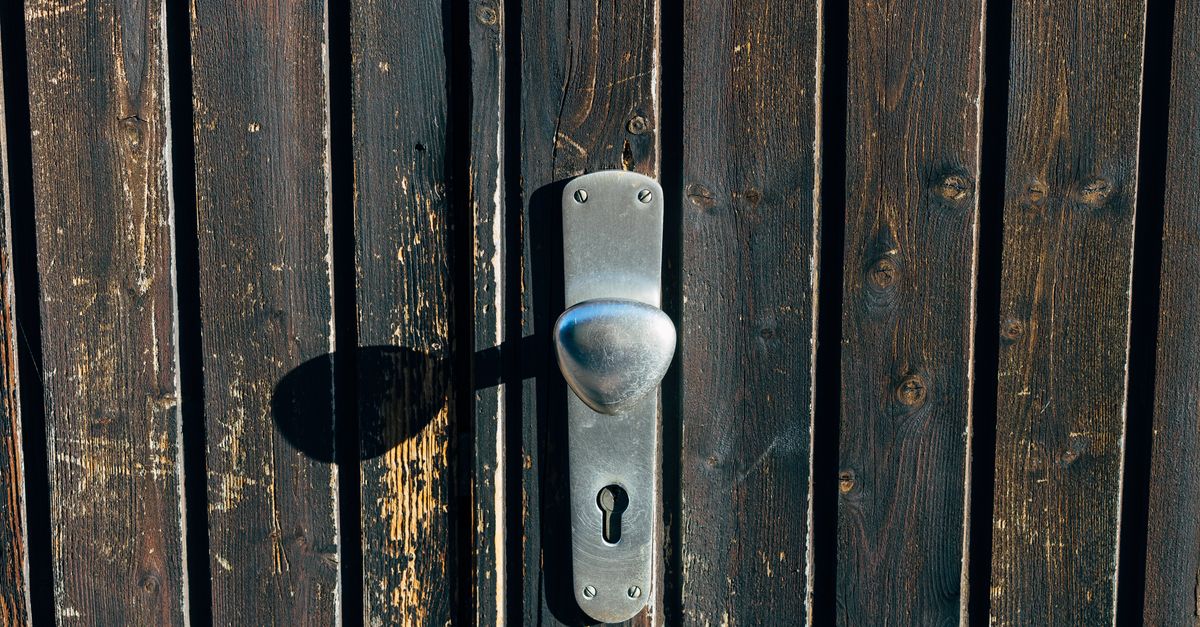
A door knob lock looks straightforward, but the replacement involves more variables than most homeowners expect. First, the prep: the bore diameter, backset measurement, and cross-bore size must all match the new hardware, or the knob will not seat correctly and the latch will bind. Second, the door material matters — a solid-core exterior door on a Dover colonial behaves very differently from a hollow-core interior slab in an apartment off South State Street. Our technicians measure before they cut, test fit before they tighten, and always aim for a damage-free installation that leaves your door and frame looking exactly as they should.
Third, not every door knob with lock is the right solution for every opening. An interior door knob with lock for a bedroom or bathroom needs privacy-function hardware — a push-button or turn-button on the inside with an emergency release on the outside. An entry knob needs keyed security on both faces, ideally with an ANSI Grade 1 or Grade 2 rating. A commercial storefront may call for a mortise lock body instead of a cylindrical knob altogether, because the mortise lock integrates the latch, deadbolt, and strike into a single, heavy-duty cartridge that resists far more stress than a standard knob mechanism. Matching the right hardware to the right opening is exactly the kind of judgment call our experienced team makes every day.