Car Key Replacement by Vehicle Brand — What Actually Changes
Not every replacement key job is the same, and the brand of your vehicle is one of the most significant variables that shapes both the process and the final quote. Ford and GM vehicles built after the mid-2000s use PATS (Passive Anti-Theft System) or PassLock transponder technology respectively, meaning a freshly cut blade is useless without a programming session that teaches the vehicle's ECU to recognize the new chip. Chrysler, Dodge, and Jeep products often require two working keys already present in the system before a third can be added — a detail that catches many drivers off guard and that our technicians account for during the diagnostic step before any work begins.
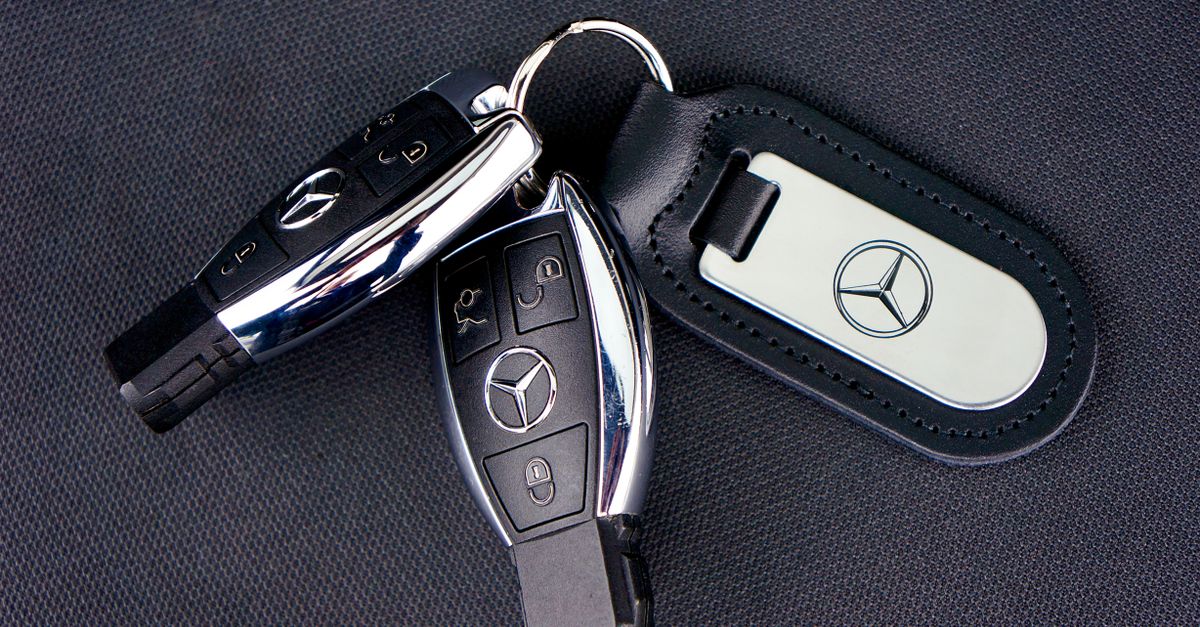
Japanese makes like Toyota and Honda have moved aggressively toward proximity smart keys and push-button start systems, particularly in models sold from 2018 onward. These fobs communicate over a different radio frequency and require OEM-level programming tools to synchronize with the immobilizer. European brands — BMW, Mercedes-Benz, Volkswagen, and Audi — layer additional encryption protocols on top of standard transponder programming, making the job more involved in terms of equipment and time. Luxury domestic brands like Cadillac and Lincoln may use remote start integration that must be preserved during the programming process. In every case our technicians identify the exact platform, confirm the scope, and lock in your price before work begins.